
When your gut feeling doesn’t say yes.
Sometimes everything looks good on paper – and yet it doesn’t feel right. Your child needs more than care: clear supervision, consistent caregivers, and a protected environment.
When that sense of security is missing, inner restlessness can show up quickly: children may cling, withdraw, or seem tense. Parents notice their child is being cared for – but hasn’t yet found a place where they truly feel secure.
Connection creates security. Security creates development.

In the Entdeckernest, relationships come first
Reliable Relationships
Reliable caregivers, being seen – every day.
Rituals create
a sense of security
A clear daily structure, gentle transitions, and familiar anchors.
Nature, senses,
and movement – every day
Being outdoors, exploring, feeling, and playing: learning happens naturally.
Development at your own pace
Room for curiosity, independence, and competence.
What children develop with us – because they feel safe


This is what a day with us looks like





Acton Academy – age-appropriate in the Entdeckernest
Even in the Entdeckernest, we follow the core principles of Acton Academy – adapted to the needs of children ages 2 to 5. The focus is on relationships and security. At the same time, we foster age-appropriate independence, responsibility, and community spirit.
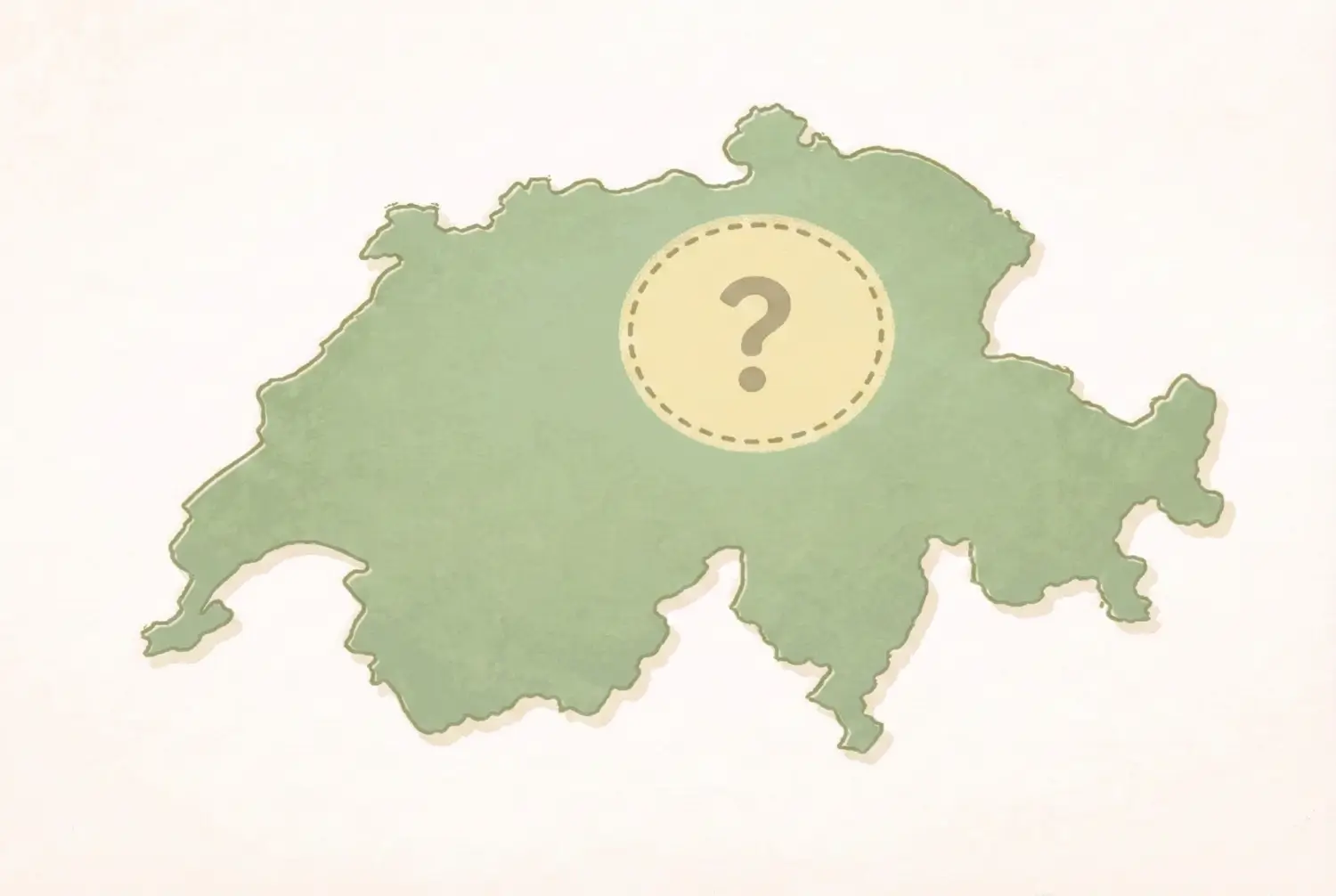
Locations of the private educational institution Acton Academy Switzerland
Discover our pedagogy and vision
A place where children are allowed to grow
With security, sensory experience, and a real connection to nature, we create the foundation for strong personalities.


Healthy food & rest have a firm place with us
Uncompromising organic health: From farm to plate
The daycare follows a holistic health concept with 100% organic, seasonal, and regional food – freshly prepared daily, often from the affiliated organic farm.
Your child receives breakfast, a morning snack, lunch, and an afternoon snack – dinner is also available upon request. Breastfeeding mothers are warmly welcome.
Sleep / Rest / Retreat
We have dedicated quiet areas and built-in breaks so children can regulate and truly recharge.
What our educational approach means in everyday life
Beate Flaschinski is the Educational Director of Acton Academy Switzerland. In the video, she provides insight into the philosophy behind the concept: how children are supported in their development through relationships, guidance, thoughtfully designed spaces, and collaboration with parents.
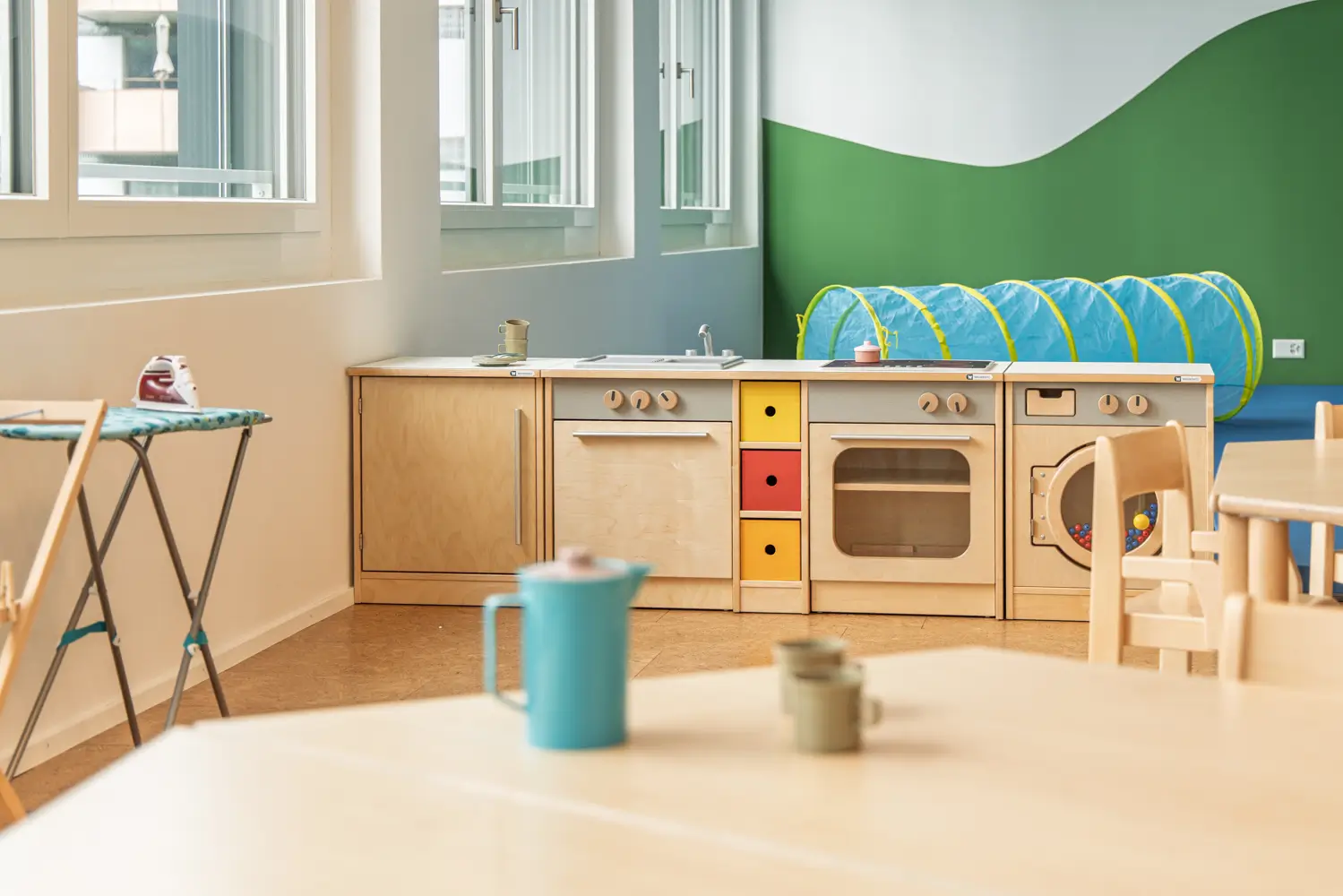
Holistic Environmental Design – Learning with all senses
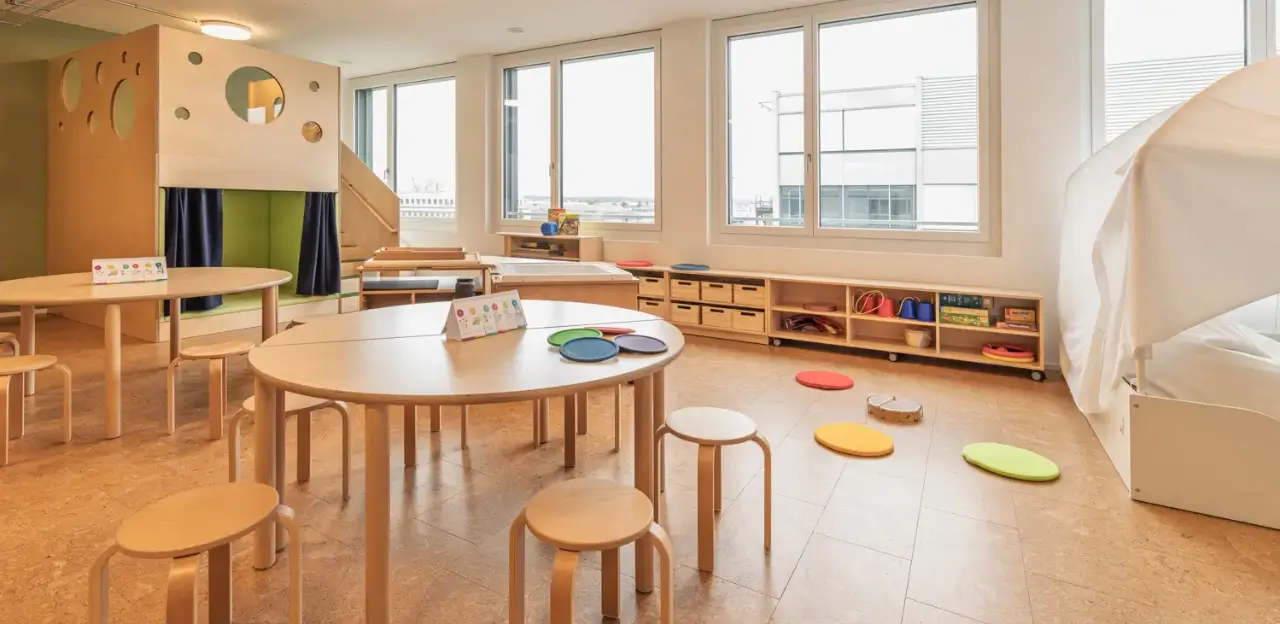
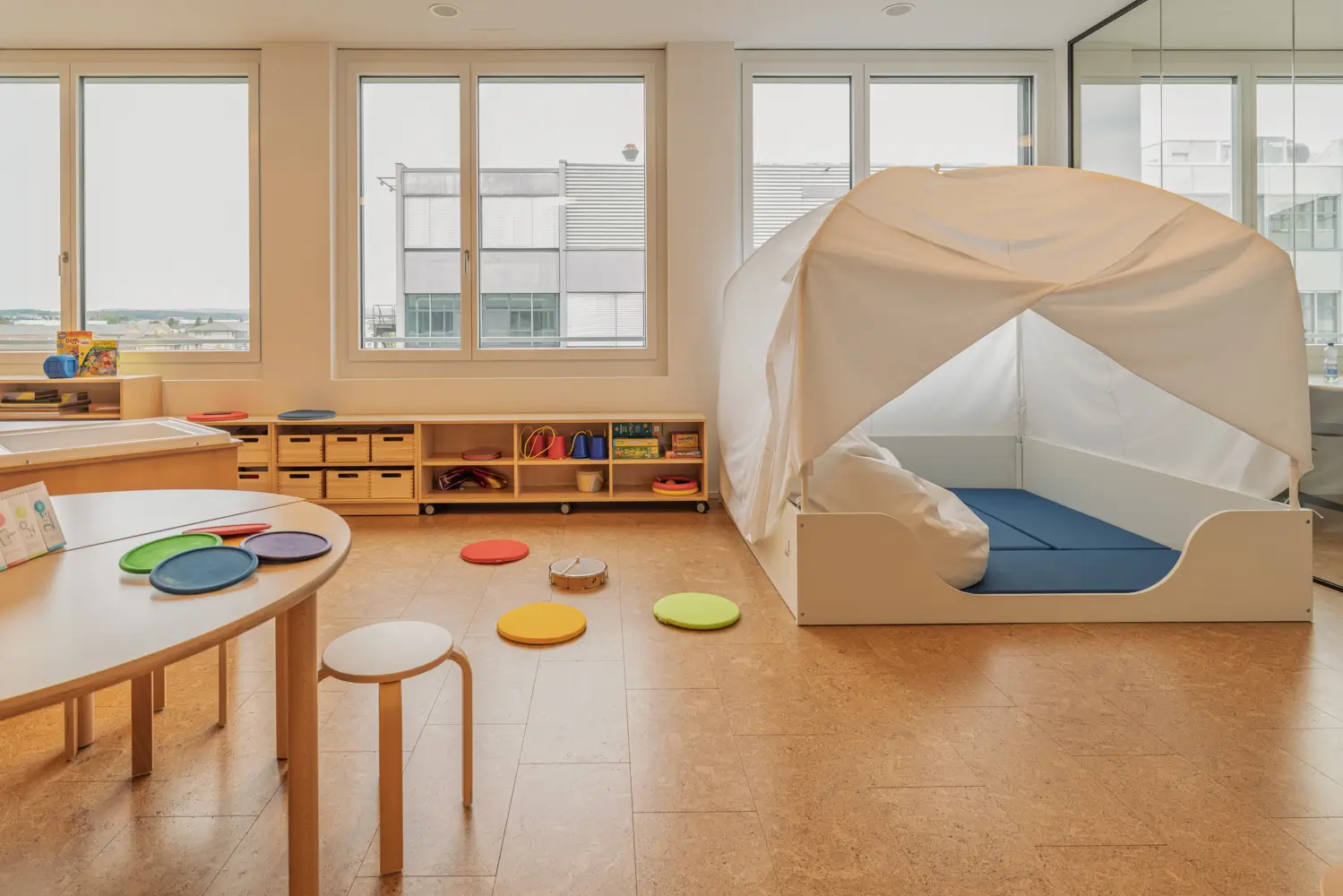
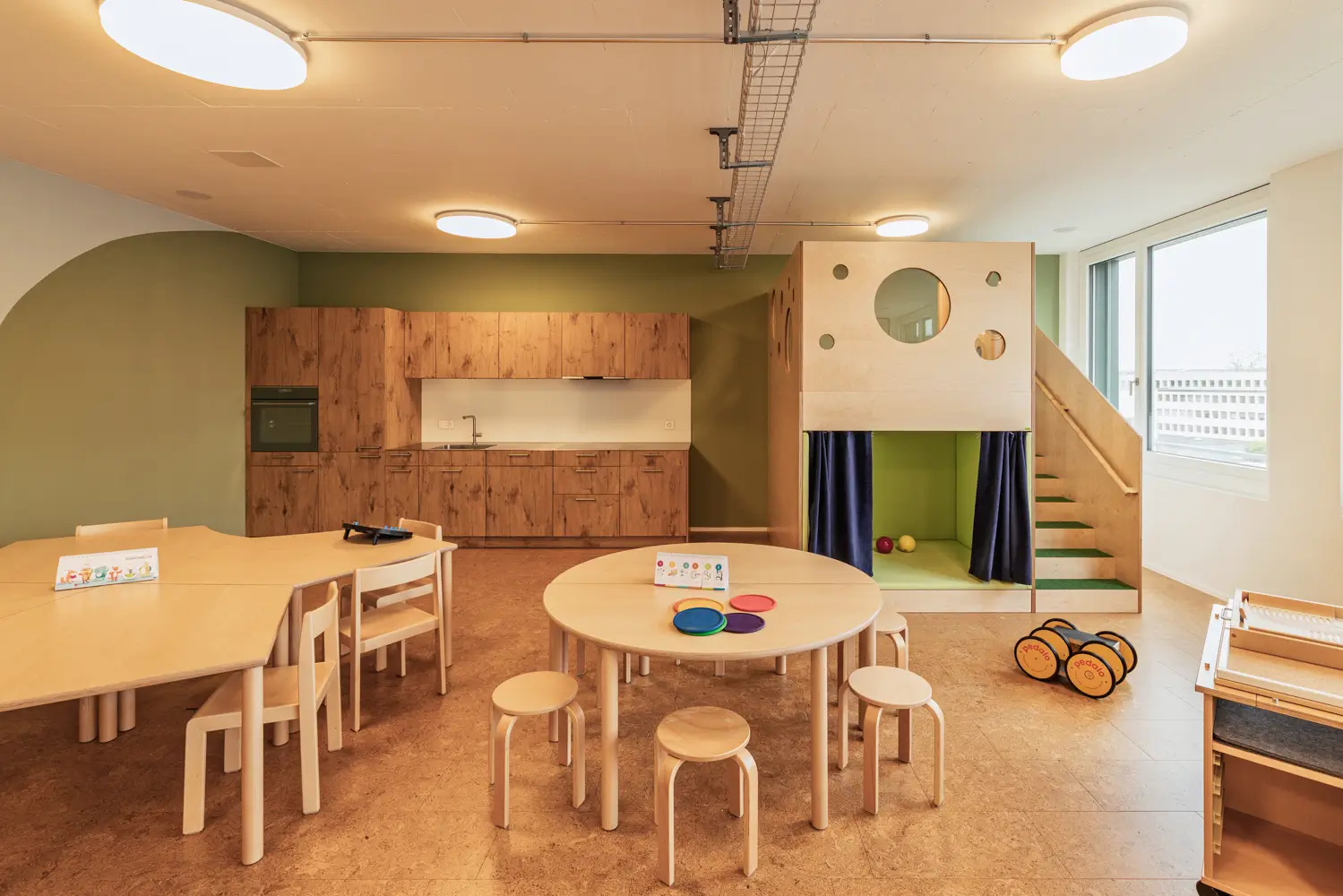
Our rooms are intentionally designed and are part of our educational concept. Instead of a classic group room, children experience an environment that supports security, movement, and relaxation.
What makes our rooms special:
People you can trust your child with
With young children, one thing is paramount: the relationship. That’s why we show you who will accompany your child, how we work, and how quality becomes tangible in everyday life.





Transitions that provide security
Daycare → Kindergarten
We accompany the separation consciously – with clear steps, trust, and individual support. Parents share knowledge, we build on it.
Kindergarten → School
The transition to school is prepared – without pressure: children gain self-confidence, structure, and joy in learning.
In close exchange with parents – from the very beginning
In daycare, personal day-to-day exchange is paramount. At drop-off and pick-up, there’s a direct handover, complemented by digital daily reviews and 1-2 individual development discussions per year.
Your child’s individual characteristics and needs are documented to ensure continuity. Parents are active co-creators – in projects, family workshops, and shared rituals.

A first glimpse into our Entdeckernest – opening July 2026
Get to know our daycare: everyday life, settling-in, rituals, and what relationships truly mean to us.
Start: July 2026 | Applications: Open now (via newsletter)
Interested? Sign up to stay informed.
We use Brevo as our marketing platform. By submitting the form, you agree that the personal information you provide will be transferred to Brevo for processing in accordance with Brevo’s privacy policy.
Does the Entdeckernest suit your family?
An international educational model – established for more than 15 years
Acton Academy was founded in Texas in 2009 and is now a global network with over 300 locations. The pedagogical concept is implemented internationally and continuously developed – in North America, Europe, Asia, and Australia.
Research on active, dialogue-based learning forms confirms:
Accredited by:

As seen in: