Many children lose their joy of learning at school
Children are naturally curious and love to learn. But learning requires conditions where they feel safe, are allowed to help shape things, and can find their own pace.
If these conditions are missing, some children withdraw, lose confidence in themselves, or primarily learn to meet expectations – instead of truly understanding.
But learning can be different.
Acton Academy – learning as a personal hero’s journey
At Acton, the child is at the center of their own path. Our model combines character building, self-leadership, and real-world challenges into a clearly structured development process.
What children really develop at Acton

What children specifically learn
The learning content is based on Lehrplan 21 and is enriched through Core Skills, Quests, and personal development.












How progress becomes visible
At Acton, it’s not the number on a page that counts, but what a child has truly understood and applied. Learning progress is documented transparently.
Parents as co-creators of the learning culture
In primary school, learning processes are made visible through portfolios, 360° feedback, and project presentations. This allows parents to see specifically how their child thinks, works, and grows. Individual development conversations take place once or twice a year to discuss progress, challenges, and next steps together.
Communication happens through digital daily updates, parent chats, and personal conversations. Parents can contribute to projects as experts, mentors, or feedback providers and actively participate in the learning process.

A school that helps children grow with confidence
At our primary school in Dübendorf, children become the heroes of their own learning journey – supported holistically, guided by the Swiss Curriculum 21, and given real responsibility in small groups.
Small groups, limited places | Applications: Open
Interested? Request your information pack:
We use Brevo as our marketing platform. By submitting the form, you agree that the personal information you provide will be transferred to Brevo for processing in accordance with Brevo’s privacy policy.

An environment that supports learning
What our educational approach means in everyday life
Beate Flaschinski is the Educational Director of Acton Academy Dübendorf. In the video, she provides insight into the philosophy behind the concept: how children are supported in their development through relationships, guidance, thoughtfully designed spaces, and collaboration with parents.
Holistic environmental design: Learning you can feel
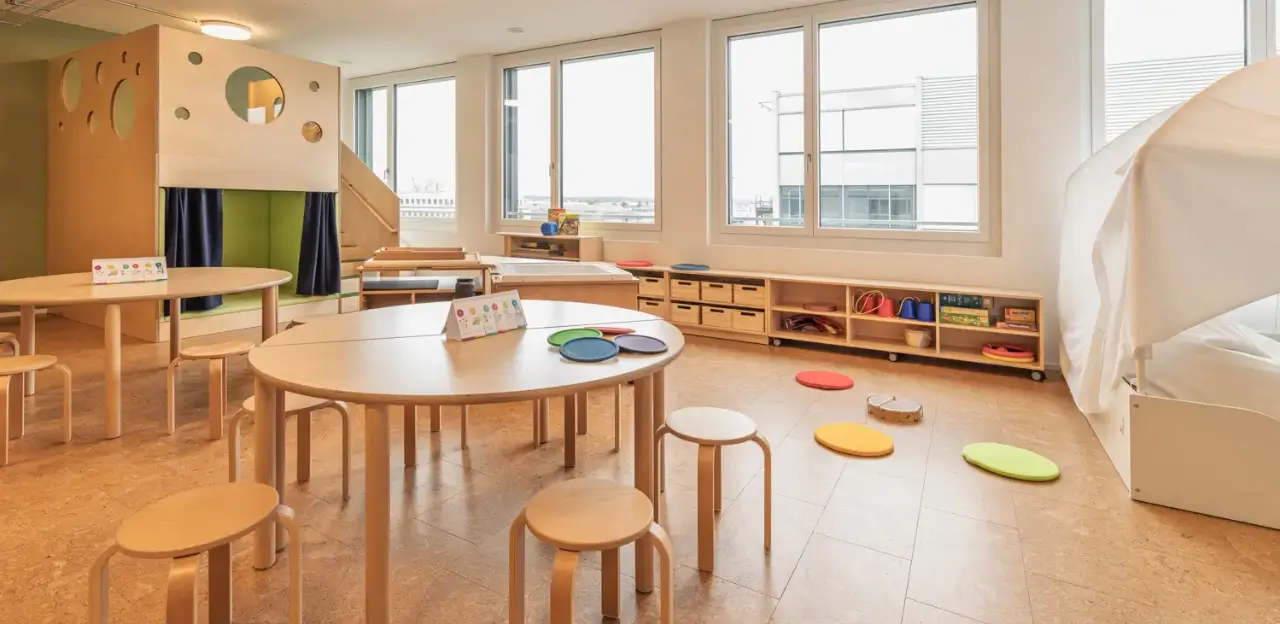
At Acton, the environment is intentional – it’s part of the curriculum. We’ve replaced the traditional classroom with a sensory‑optimized learning space:

Is Acton Academy the right school for your child?
An international educational model – established for more than 15 years
Acton Academy was founded in Texas in 2009 and is now a global network with over 300 locations. The pedagogical concept is implemented internationally and continuously developed – in North America, Europe, Asia, and Australia.
Research on active, dialogue-based forms of learning shows:
Accredited by:

As seen in: